


Melamine Dishware
Description
Technical Parameters
Jinxin Melamine Tableware(GZ)Co., Ltd.:Your Trustworthy Melamine Dishware Manufacturer!
Jinxin Group was established in 1998.It is a technology-based company focusing on theproduction of melamine raw materials,the research and development,design,production and sales of melamine tableware.We can provide customers with OEM and ODM services.
Leading Service
We can provide one-stop service from melamine raw materials to finished melamine tableware.At the same time, we can also provide customized services according to customers' requirements such as size,color,appearance,etc.We can provide the most favorable price and high-quality products.
Quality Guaranteed
We have been continuously researching and innovating to meet the needs of different customers. At the same time, we always adhere to strict quality control to ensure that the quality of every product meets international standards.
Wide Sales Countries
The Guangzhou branch focuses on sales in overseas markets.Our products are exported to Europe, America,Southeast Asia,the Middle East and other regions, and are well received by customers around the world.
Various Types of Products
Our main products include melamine tableware, melamine bowl, melamine plate and melamine party plates.
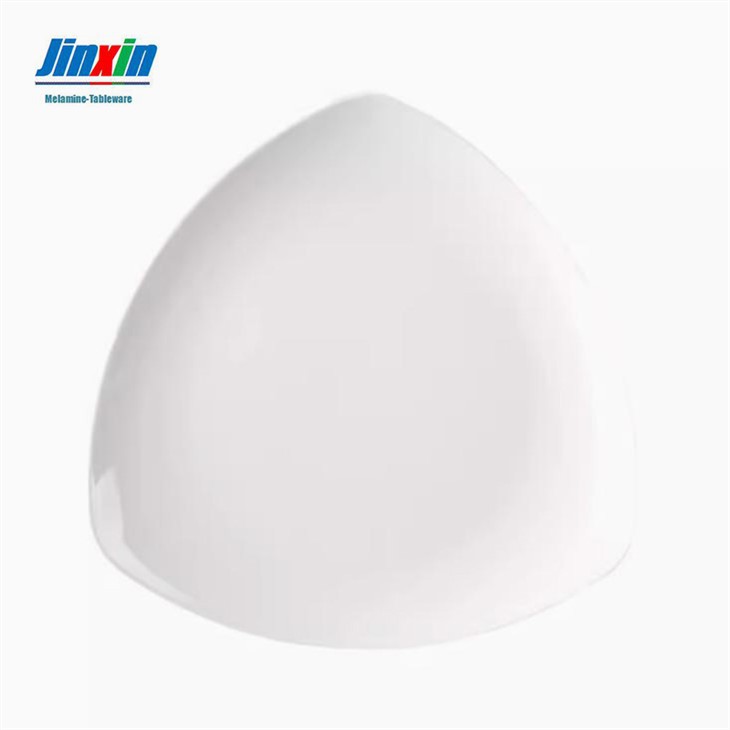
Melamine dinnerware made from A5/A8 food grade melamine material,the appearance is as beautiful as ceramics.But stronger than ceramics, resistant to impact&high and low temperatures.And it is easy to clean without fading,it is the best choice for your healthy life.

Melamine party plates refers to tableware made from melamine resin. Melamine is a type of plastic material that is known for its durability, lightweight nature, and resistance to breakage.One of the main advantages of melamine party plates is its toughness. It is less likely to chip or crack compared to traditional ceramic or glassware, making it suitable for both indoor and outdoor use, such as picnics, camping, or casual dining.
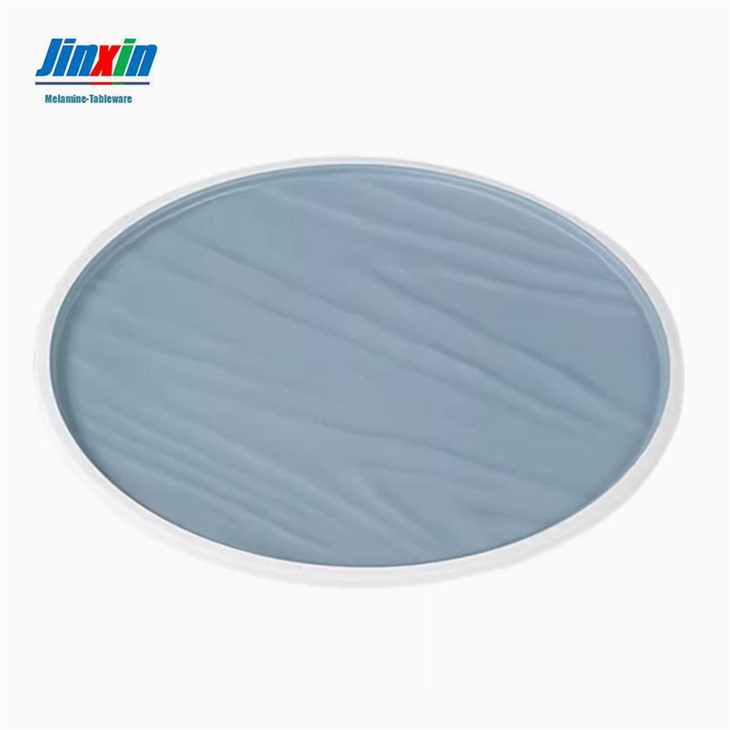
Melamine plates set not only retains the bright appearance of general ceramics, but also has the characteristics of impact resistance and non-breakability, and is acid and alkali resistant. The plate made from it has a heat resistance temperature of +120 degrees to -30 degrees. Because of its non-breakable characteristics, it is widely used by most catering industries and families at home and abroad.

1.100% A5 food grade melamine material.
2.High quality and beautiful appearance.
3.We can provide OEM and ODM services.

Melamine serving bowl is made from a lightweight, durable, and heat-resistant material. Its design allows you to carry large serving trays, deliver meals faster, and avoid straining themselves.
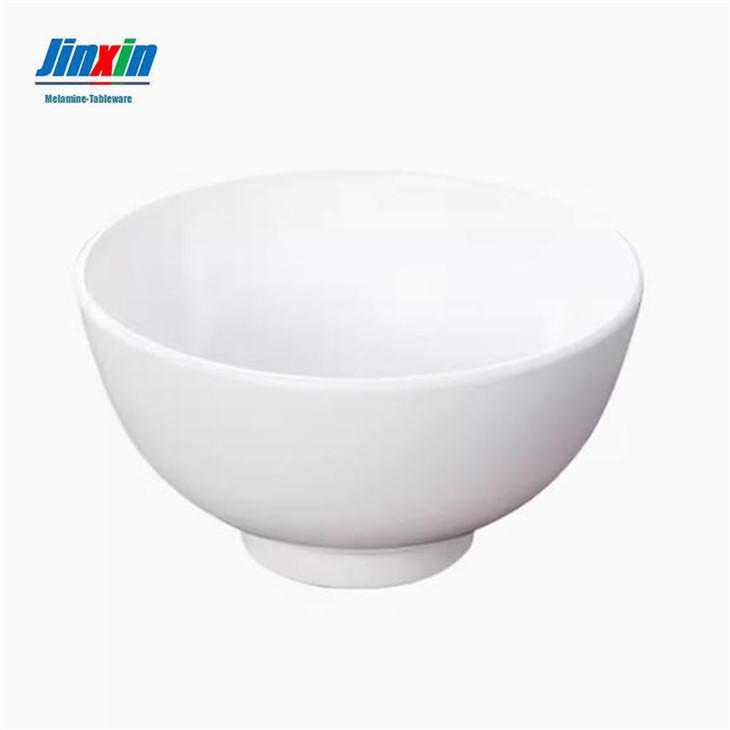
Melamine bowl made from A5 food grade melamine material,the appearance is as beautiful as ceramics.But stronger than ceramics, resistant to impact&high and low temperatures.And it is easy to clean without fading,it is the best choice for your healthy life.

A melamine plates set typically refers to a collection of plates made from melamine material. Melamine is a type of plastic resin that is used to create durable and lightweight tableware. A melamine plates set usually includes a number of plates of different sizes, such as dinner plates, salad plates, or dessert plates. Melamine plates sets are available in a wide range of styles, from simple and plain to elaborately patterned or decorated, to suit various tastes and occasions. They offer a practical and cost-effective alternative to traditional ceramic or porcelain plates, especially in situations where durability and ease of use are important factors.

Melamine dinner plate not only retains the bright appearance of general ceramics, but also has the characteristics of impact resistance and non-breakability, and is acid and alkali resistant. The plate made from it has a heat resistance temperature of +120 degrees to -30 degrees. Because of its non-breakable characteristics, it is widely used by most catering industries and families at home and abroad.
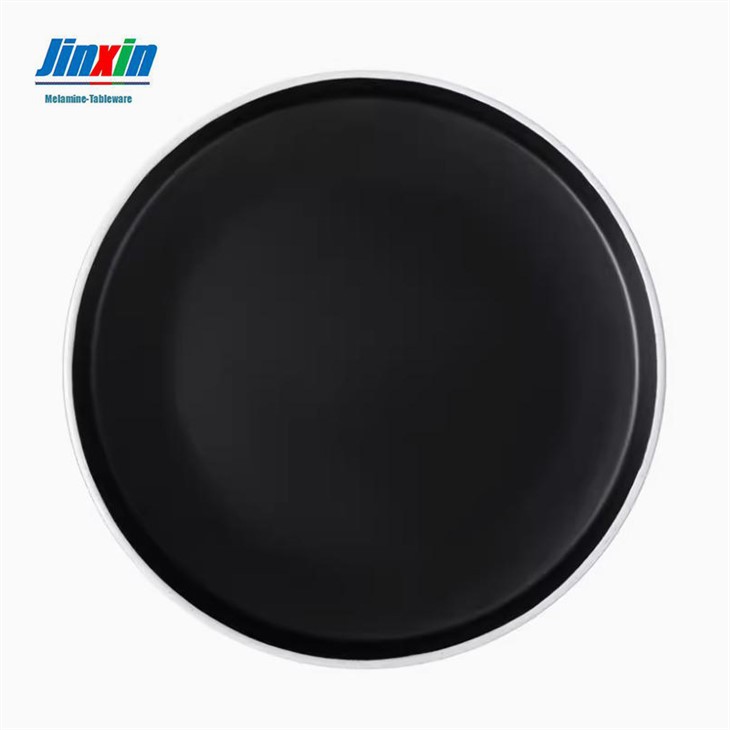
Melamine dishware is one kind of tableware made from melamine resin. Melamine is a type of plastic material that is often used to produce dishes, bowls, plates, and cups.One of the main advantages of melamine dishware is its durability. It is relatively resistant to breakage and chipping compared to traditional ceramic or glassware, making it suitable for use in settings where there is a higher risk of accidental drops or rough handling, such as in cafeterias, picnic areas, or children's dining.
What Is Melamine Dishware
Melamine dishware is one kind of tableware made from melamine resin. Melamine is a type of plastic material that is often used to produce dishes, bowls, plates, and cups.One of the main advantages of melamine dishware is its durability. It is relatively resistant to breakage and chipping compared to traditional ceramic or glassware, making it suitable for use in settings where there is a higher risk of accidental drops or rough handling, such as in cafeterias, picnic areas, or children's dining.
Benefits of Melamine Dishware
Durability
It is highly resistant to chipping, cracking, and breaking. This makes it suitable for both everyday use and in environments where there is a higher chance of rough handling, such as outdoor events or busy kitchens. For instance, melamine plates and bowls are often preferred for camping trips as they are less likely to get damaged during transportation.
Lightweight
Melamine dishware is significantly lighter than ceramic or glass alternatives. This makes it easier to handle and store, especially when you need to stack and move a large number of dishes. Imagine carrying a stack of heavy ceramic plates versus a stack of lightweight melamine ones - the difference is substantial.
Cost-effective
It is usually more affordable than many other types of dishware, such as porcelain or fine china. This makes it a practical choice for those on a budget or for large-scale settings like restaurants or cafeterias where a significant amount of dishware is needed.
Hygiene
Melamine is non-porous, which means it doesn't absorb moisture or odors as easily as some materials. This makes it easier to clean and helps prevent the growth of bacteria and mold.
Versatile Designs
Available in a wide range of colors, patterns, and designs, melamine dishware can add a decorative touch to your table setting. Whether you prefer a simple, modern look or a more elaborate and colorful design, there are options to suit various tastes.
Resistant to Heat
While not suitable for microwave use, melamine can withstand relatively high temperatures and won't deform easily when exposed to hot food or liquids.
Melamine dishware comes in various types tailored for different purposes and settings:
Casual Dinnerware
Designed for everyday use at home, casual melamine dinnerware sets often feature vibrant colors and patterns, offering a practical and stylish option.
Outdoor and Picnic Dishware
Specifically crafted to withstand outdoor conditions, these sets are lightweight, durable, and resistant to breakage, making them ideal for picnics, camping trips, and patio dining.
Children's Dishware
These sets prioritize safety and durability, typically featuring colorful designs and ergonomic shapes that are easy for young children to handle.
Restaurant and Hospitality
Melamine plates, bowls, and platters designed for commercial use in restaurants and hospitality settings are chosen for their durability, ease of cleaning, and resistance to chipping and staining.
Customized Designs
Some manufacturers offer customizable options, allowing for personalized designs, logos, or branding, making them popular choices for promotional events or corporate settings. Each type of melamine dishware is crafted with specific features to cater to different needs, ensuring versatility and practicality across various environments.
Manufacturing Process Of Melamine Dishware
The manufacturing process of melamine dishware typically involves the following steps:
Material Preparation
Melamine resin, a type of thermosetting plastic, is mixed with fillers, pigments, and other additives. The fillers can include wood flour or cellulose to enhance certain properties. Pigments are added to achieve the desired color.
Molding
The mixture is then heated and injected or compression molded into the desired shape of the dishware. This could be done using molds that are designed to create plates, bowls, cups, etc.
Curing
After molding, the melamine is cured under specific temperature and pressure conditions. This process helps harden the material and gives it its final form and properties.
Trimming and Finishing
Any excess material or rough edges are trimmed and smoothed to ensure a clean and finished appearance.
Surface Treatment
The surface of the dishware may undergo additional treatments such as polishing or coating to enhance its appearance, durability, and resistance to staining.
Quality Control
Each piece is inspected for defects, such as cracks, uneven surfaces, or incorrect shapes. Only products that meet the specified quality standards are approved for sale.For instance, in the molding stage, if the process is not precisely controlled, the dishware might have uneven thickness or warping. During the curing process, incorrect temperature or pressure could affect the strength and durability of the final product.
Household Use
It is commonly used in homes for daily dining. Families appreciate its durability, especially when dealing with children or frequent use. Melamine plates, bowls, and cups are convenient for breakfast, lunch, and dinner.
Outdoor Dining and Picnics
Its lightweight and shatter-resistant nature makes it perfect for taking on picnics, camping trips, or outdoor barbecues. It's less likely to break if dropped on uneven surfaces.
Catering and Food Service
Restaurants, cafeterias, and event catering services often use melamine dishware. It can withstand the high volume and fast-paced handling of these settings.
Children's Parties
Colorful and child-friendly designs of melamine dishware are popular for kids' birthday parties and other gatherings.
Here are comprehensive guidelines on how to properly care for your melamine dishware to ensure its longevity and optimal performance:
Gentle and Thorough Cleaning
Employ a mild liquid detergent and a soft sponge or non-abrasive cloth when cleaning. Harsh scrubbers or abrasive cleaners can cause visible scratches on the melamine surface, which not only detract from its appearance but can also provide hiding places for dirt and bacteria. For stubborn stains or residue, let the dishware soak in warm, soapy water for a short period before cleaning.
Steer Clear of Extreme Temperatures
It's crucial to remember that melamine dishware has a limited tolerance for heat. Never microwave it or place it in a conventional oven with temperatures exceeding 120°C (248°F). Exposure to excessive heat can cause the melamine to warp, discolor, or even release potentially harmful substances. If you need to reheat food, transfer it to a microwave-safe container.
Separate from Metal Utensils During Washing
When cleaning in the sink or dishwasher, be cautious to keep melamine dishware away from sharp or metal utensils. The contact can result in scratches and nicks that compromise the integrity and aesthetic of the dishware.
Prompt Cleanup after Use
Promptly attend to spills and leftover food particles. Allowing them to sit for an extended period can lead to stubborn stains and unpleasant odors that are difficult to remove. Even if the dishware appears clean at a glance, it's essential to wash it promptly to maintain hygiene.
Adequate Drying
After washing, make sure to dry the melamine dishware completely. Moisture left on the surface for an extended period can promote the growth of mold or mildew, especially in humid environments. You can use a clean towel or allow the items to air dry in a well-ventilated area.
Thoughtful Storage
When stacking melamine dishware for storage, do so with care. Avoid piling them haphazardly or placing heavy items on top, as this can lead to chipping or cracking. If possible, use dividers or protective padding between each piece to minimize the risk of damage.
What to Look for When Choosing Melamine Dishware
Quality and Durability
Look for thick and sturdy pieces. Check for any signs of weakness or thin areas that might be prone to cracking or chipping. Good quality melamine should be able to withstand normal use without easily showing damage.
Safety Certification
Ensure the dishware has the appropriate safety certifications. This indicates that it has been tested and meets certain standards for food contact and safety.
Color and Design
Choose colors and designs that suit your aesthetic preferences and the overall theme of your dining area. However, also make sure that the colors are evenly applied and not likely to fade or peel over time.
Shape and Size
When selecting melamine dishware, consider the sizes that best suit your serving needs, whether for individual use, family meals, outdoor gatherings, or commercial settings. Matching sizes across your set can help maintain a cohesive look and ensure practicality in serving various types of food and beverages.
Brand Reputation
Research and opt for well-known brands or manufacturers known for producing reliable and high-quality melamine dishware.
Edge Finish
Smooth and well-finished edges are important. Rough or sharp edges can be uncomfortable to handle and may pose a risk of injury.
Frequently Asked Questions
Hot Tags: melamine dishware, China melamine dishware manufacturers, suppliers, factory, melamine dinnerware, white melamine plate set, melamine bowl, melamine serving bowl, melamine party plates, melamine dishes
Previous
Melamine Party PlatesNext
Melamine DishesSend Inquiry


